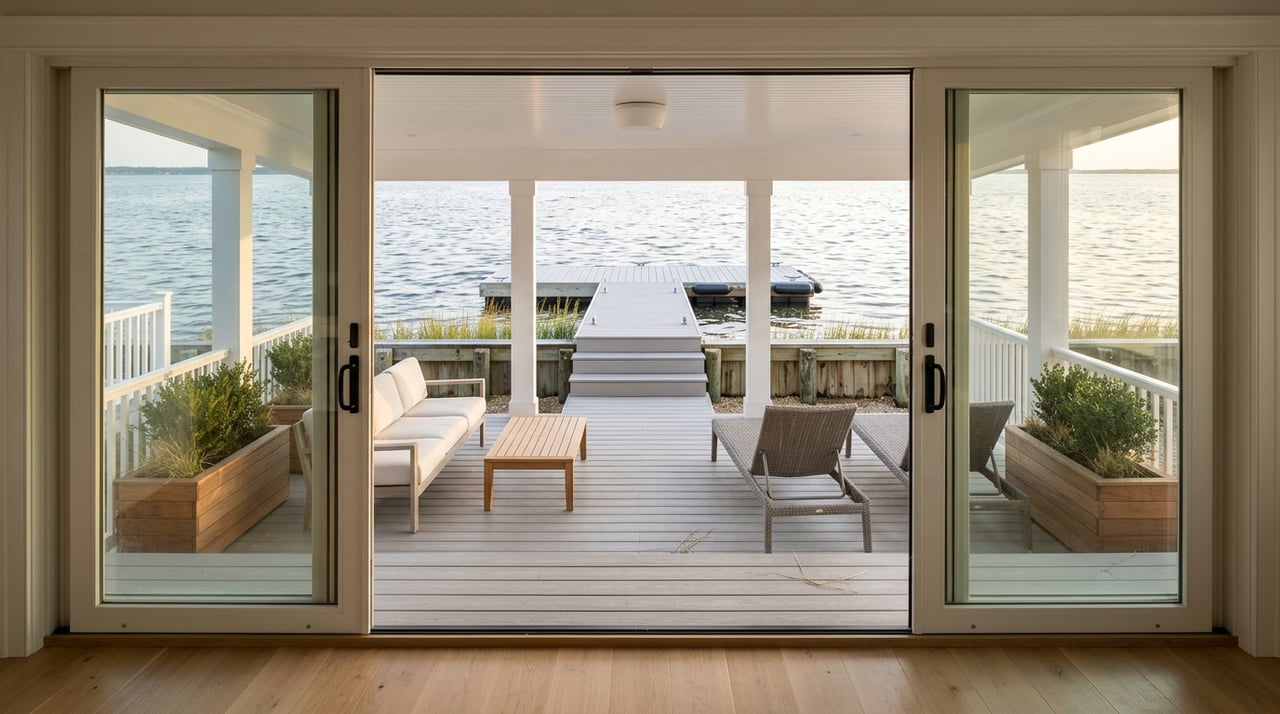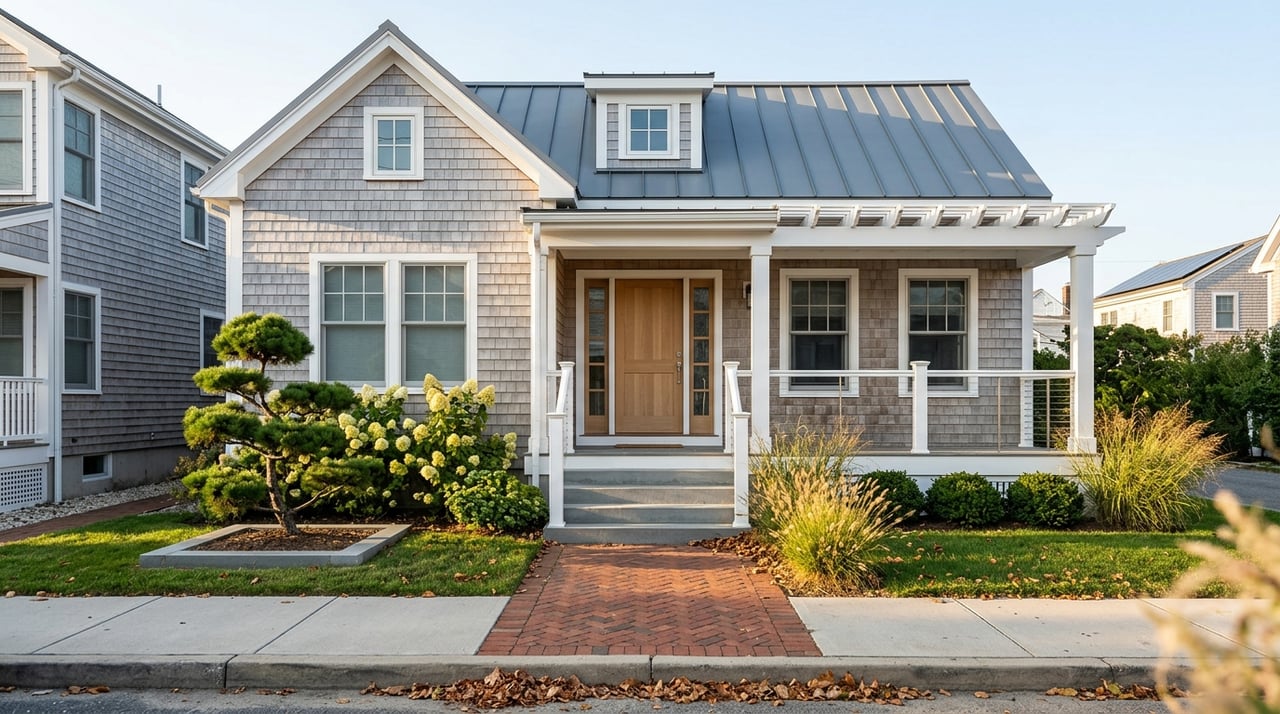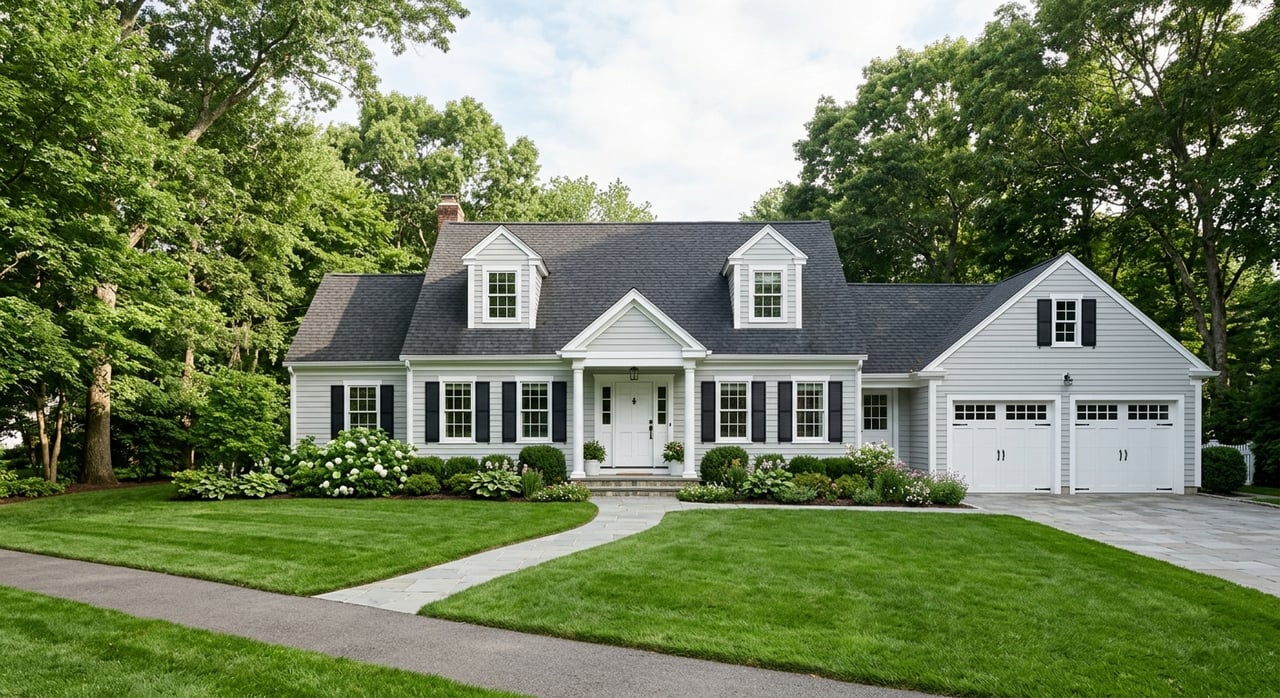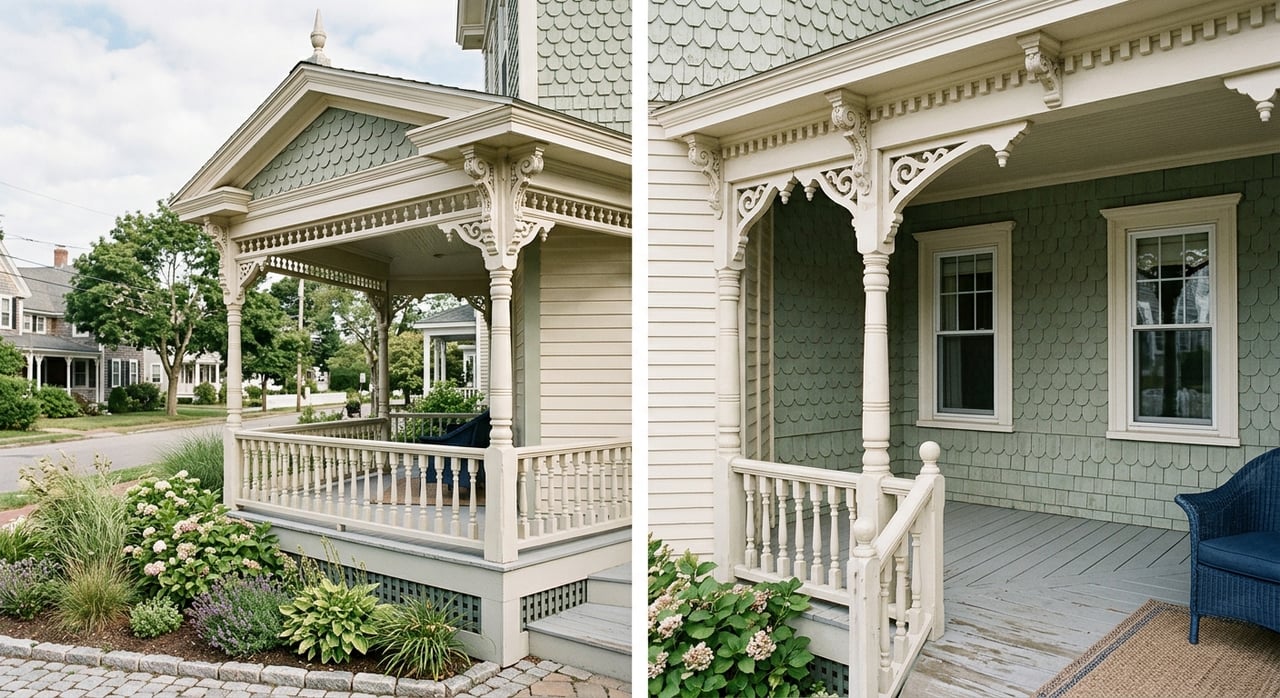
If you think every Cape May shore house is simply “Victorian,” you are missing what makes this market so interesting. When you buy or sell here, style is not just about curb appeal. It can shape maintenance needs, renovation options, and even the approvals you may need before work begins. If you want to read Cape May homes with a sharper eye, this guide will help you spot the styles that matter most and understand what to look for before you make a move. Let’s dive in.
Why Cape May Style Matters
Cape May is known as the Nation’s Oldest Seashore Resort, and its historic district is a National Historic Landmark because of its remarkable concentration of Victorian buildings. At the same time, the city itself makes clear that Cape May is a composite of architectural styles from several eras, with a period of significance that runs roughly from 1750 to 1948.
That means a design-savvy buyer or seller needs to think beyond one label. A home may carry historic importance even if it is not a pure, textbook Victorian. In practical terms, that can affect how you evaluate character, condition, future updates, and long-term value.
Historic Rules Shape Real Decisions
In Cape May, preservation review is active and local. The city’s Historic Design Standards apply to all structures in the Historic District and designated sites on the Zoning Map, and the Historic Preservation Commission reviews many types of exterior work before projects begin.
That review can include alterations, new construction, demolition, and changes to important landscape features. For demolitions, relocations, additions, new houses, and solar panels, a full commission hearing is required. Construction permits may also be needed for repairs, renovations, reconstruction, demolition, and equipment installation.
For you as a buyer or seller, this matters because design choices are not purely cosmetic. Roofs, windows, porches, trim, siding, and visible equipment can all carry extra weight in Cape May.
The Cape May Home Styles You’ll See Most
While Cape May includes many architectural styles, a few categories are especially useful when you are touring homes or preparing one for market. These are the styles you are most likely to encounter in a way that shapes everyday ownership decisions.
Italianate Homes
Italianate houses are typically easy to spot once you know the clues. Look for vertical proportions, long narrow windows, low or hipped roofs, and decorative brackets under the eaves. Some also feature towers or cupolas, thick window hoods, and ornate roofline detailing.
If you are evaluating an Italianate home, pay close attention to the cornice, window trim, and porch details. These are often key character-defining features, so changes here can have an outsized impact on both appearance and preservation review.
Second Empire Homes
Second Empire houses are defined by the mansard roof, which encloses the upper story and usually includes dormers. You may also notice brackets, cornices, quoins, and rich ornament around the facade.
The roof is usually the visual anchor of this style. If you are considering updates or reviewing a seller’s past improvements, roof replacement and dormer repair are often among the most important details to understand.
Stick Style Homes
Stick Style homes tend to have asymmetrical plans, steep cross-gables, decorative trusses, exposed rafter ends or brackets, and visible patterns of vertical and horizontal stickwork. In many cases, the applied boards and trim are the style.
That is why re-siding or simplifying trim can be such a major issue. If those details are removed or flattened, the house can lose much of its original identity.
Queen Anne Homes
Queen Anne is one of Cape May’s most recognizable styles. These homes often feature steep intersecting gables, towers or turrets, recessed porches, spindlework, shingle bands, patterned masonry, and multi-pane or stained-glass windows.
They often feel playful and layered, with multiple materials and a more asymmetrical look. When you walk through one, the porch details, ornamental woodwork, and decorative shingles deserve especially close attention.
Shingle Style Homes
Shingle Style houses rely on a more unified exterior surface. Cape May’s standards highlight continuous wood shingles, irregular or steep roof forms, porches, recessed windows, and very little interruption at the corners.
The uninterrupted shingle skin is what gives the style its character. Patchwork changes in cladding can stand out fast, so buyers should look for consistency and sellers should be careful about piecemeal exterior updates.
Colonial Revival Homes
Colonial Revival homes usually bring more symmetry to the streetscape. Common features include classical columns or pilasters, pediments, fanlights, multi-pane windows, and decorative shutters.
This style often reads as more formal and balanced than the highly ornate Victorians nearby. In Cape May, shutter size and function can matter, since the city’s standards note that shutters on many 19th- and early-20th-century houses should be appropriately sized and operable.
Bungalow and Craftsman Homes
Bungalows and Craftsman houses usually feel more relaxed and compact than the larger Victorian-era homes. Look for low-pitched roofs, wide overhanging eaves, exposed rafters, broad porches, and natural materials.
In Cape May, original doors can be especially meaningful on these homes, with oak or chestnut doors noted as characteristic features. If you are comparing options, these houses can offer a more informal shore-home feel while still rewarding careful preservation.
What Buyers Should Notice First
If you are house hunting in Cape May, style should guide your questions as much as your first impression. A beautiful exterior does not tell the full story unless you also understand what has been preserved, what has been altered, and what may require approval later.
Start with the home’s historic status. Cape May classifies properties as contributing or non-contributing based on age, integrity, and historic character, and the HPC office maintains address lists. That classification can be useful context when you are weighing future plans.
Then focus on the details that most often shape ownership:
- Roofline condition and profile
- Original or historic window presence
- Porch columns, railings, and trim details
- Siding and cladding continuity
- Visibility of mechanical equipment from the street
- Prior approvals for exterior changes
- Flood-related property conditions and elevation considerations
A good rule of thumb is simple: the more intact the original proportions and materials appear, the more carefully you should evaluate any future changes.
Why Windows, Roofs, and Porches Matter So Much
Cape May’s design standards are especially clear on a few exterior features. Original wood windows should be preserved when possible, and the city notes that old-growth wood windows can last more than a century with routine maintenance. Repair with storm windows is often less expensive than full replacement.
The standards also note that composite replacement windows are generally not appropriate on contributing or key buildings. Storm windows should fit tightly and remain visually quiet, which means the goal is performance without changing the building’s overall look.
Roofs and siding matter just as much. The city defines same-for-same roof replacement as replacing a cedar shingle roof with a cedar shingle roof, and it treats details like cornice trim, corner boards, and shingle continuity as part of a home’s historic character.
For many buyers, that is the turning point in understanding Cape May ownership. The question is often not just what needs to be replaced? It is also how should it be replaced so the house still reads correctly?
Don’t Overlook Visible Equipment
One of the easiest ways to disrupt a historic facade is with poorly placed equipment. Cape May’s standards ask owners to screen condensing units, heat pumps, backup generators, and electrical meters, keep them out of front yards, and place building-mounted equipment on secondary facades when possible.
Visible solar technologies and wind turbines are not appropriate in the historic district. If you are buying a home with recent upgrades, it is worth checking whether utility and mechanical additions were placed in a way that respects the property’s street presence.
Flood Resilience Is Part of Ownership
In Cape May, design and resilience go together. The city’s flood office can provide information on flood depth, base flood elevation, special flood hazard areas, V-zones, sea-level-rise, and projected 2050 flood-area conditions.
The city also notes that the main flood-proofing method is elevation. Homeowners insurance does not cover flood damage, and flood insurance policies typically have a 30-day waiting period.
For buyers, this means flood questions should come early, not after you fall in love with the porch or the roofline. For sellers, it means good preparation includes understanding how flood context may shape buyer expectations.
Smart Renovation Starts Early
If you are planning to renovate, expand, or reposition a Cape May property for sale, early research can save time and money. The city’s updated standards say new construction should be compatible with the historic streetscape and neighboring rhythm, while still being distinguishable to trained observers.
In other words, Cape May is not looking for careless imitation or harsh contrast. The city discourages both sloppy mimicry and jarringly opposed modernist design. Conceptual HPC review is available for early questions about design and materials, though final approval requires complete construction drawings.
That makes a design-literate strategy especially valuable. Before you invest in plans, it helps to understand which elements carry the most visual weight and which upgrades are most likely to affect review.
A Practical Cape May Checklist
Whether you are buying, selling, or preparing to renovate, these are the details worth checking early:
- Verify whether the property is contributing or non-contributing
- Review flood implications and elevation-related factors
- Confirm any prior approvals tied to exterior changes
- Preserve rooflines, porches, windows, and trim when possible
- Evaluate siding and material continuity before making updates
- Keep mechanical equipment visually quiet from the street
- Ask how any planned work fits the home’s original proportions and style
In a place as visually distinctive as Cape May, those details do more than protect historic character. They also shape how comfortably a house fits into the streetscape and how confidently you can plan your next move.
If you want help evaluating a Cape May home through both a design and market lens, working with someone who understands architecture, local process, and buyer expectations can make the decision much clearer. Diane Harrington offers thoughtful, high-touch guidance for shore buyers and sellers who want to make smart choices with confidence.
FAQs
What architectural styles are most common in Cape May shore homes?
- In practical terms, many buyers will encounter Italianate, Second Empire, Stick Style, Queen Anne, Shingle Style, Colonial Revival, and Bungalow or Craftsman homes in Cape May.
What does Cape May historic district approval mean for exterior work?
- In Cape May’s historic district, the Historic Preservation Commission reviews many exterior changes before work begins, including certain alterations, additions, demolition, new construction, and some equipment or landscape changes.
What should buyers check first in a historic Cape May home?
- Buyers should start with the property’s contributing or non-contributing status, then look closely at rooflines, windows, porches, trim, siding continuity, visible equipment, prior approvals, and flood-related conditions.
Why are windows such a big issue in Cape May historic homes?
- Cape May’s standards emphasize preserving original wood windows when possible, noting that repair and storm windows are often preferred over replacement for historic properties.
What flood questions matter when buying a Cape May shore house?
- Buyers should ask about flood zones, elevation, base flood elevation information, projected flood conditions, and flood insurance timing, since the city notes that homeowners insurance does not cover flood damage and flood policies typically have a 30-day waiting period.
Can you renovate or build new in Cape May’s historic district?
- Yes, but work may require local review and approval, and the city’s standards say new construction should be compatible with the historic streetscape while still being distinguishable to trained observers.