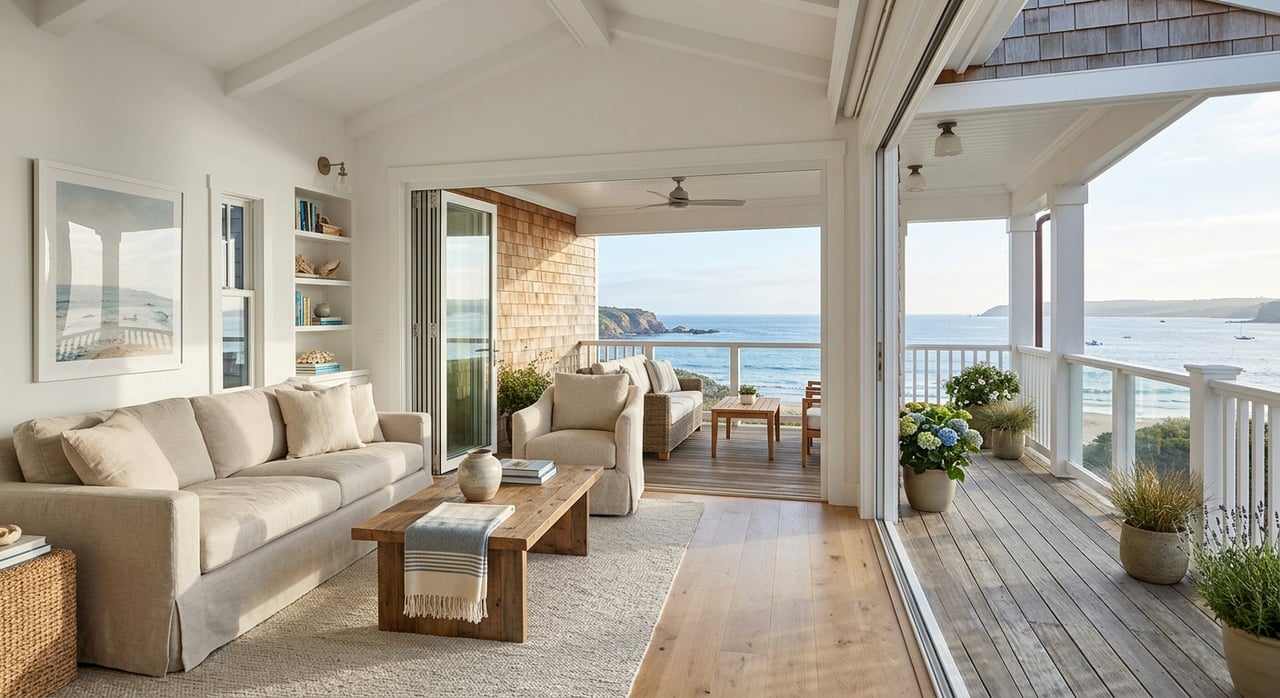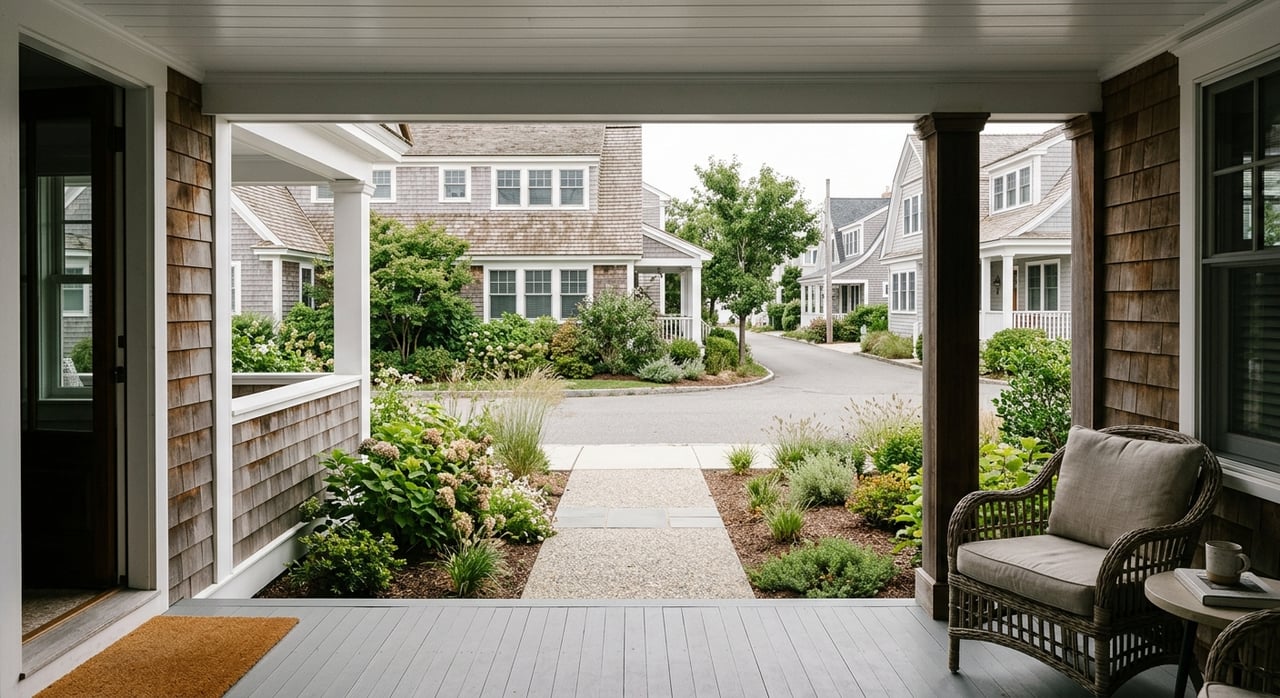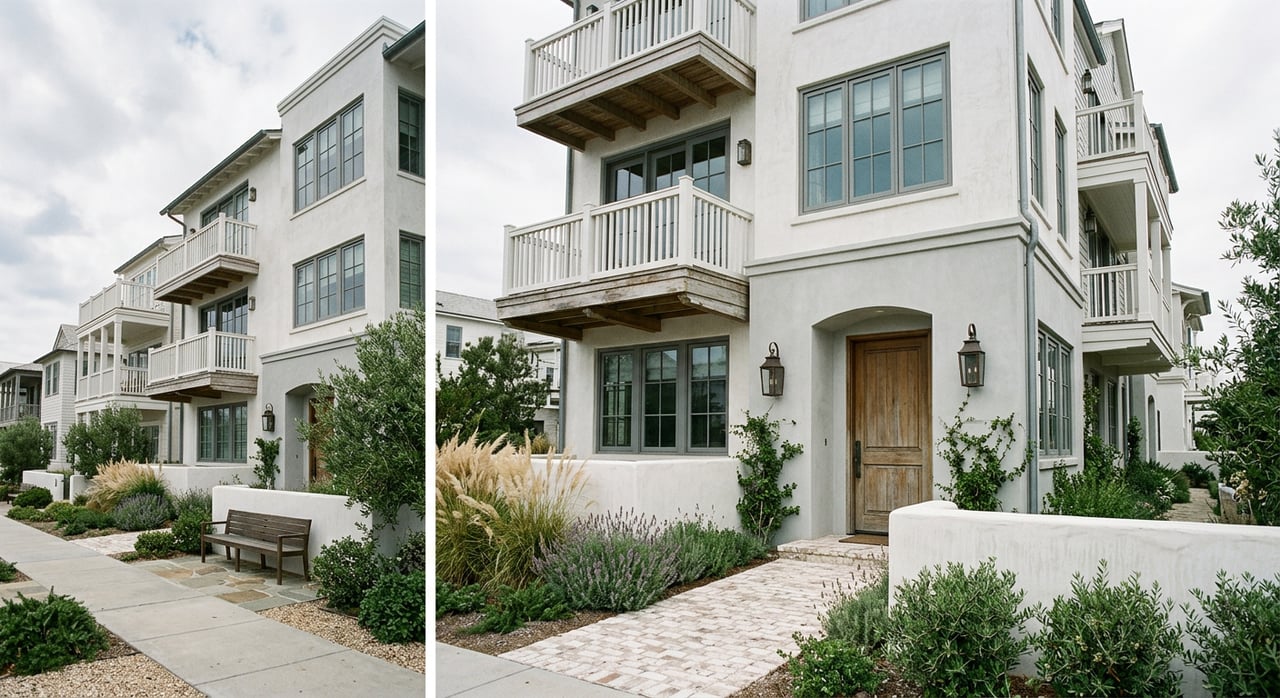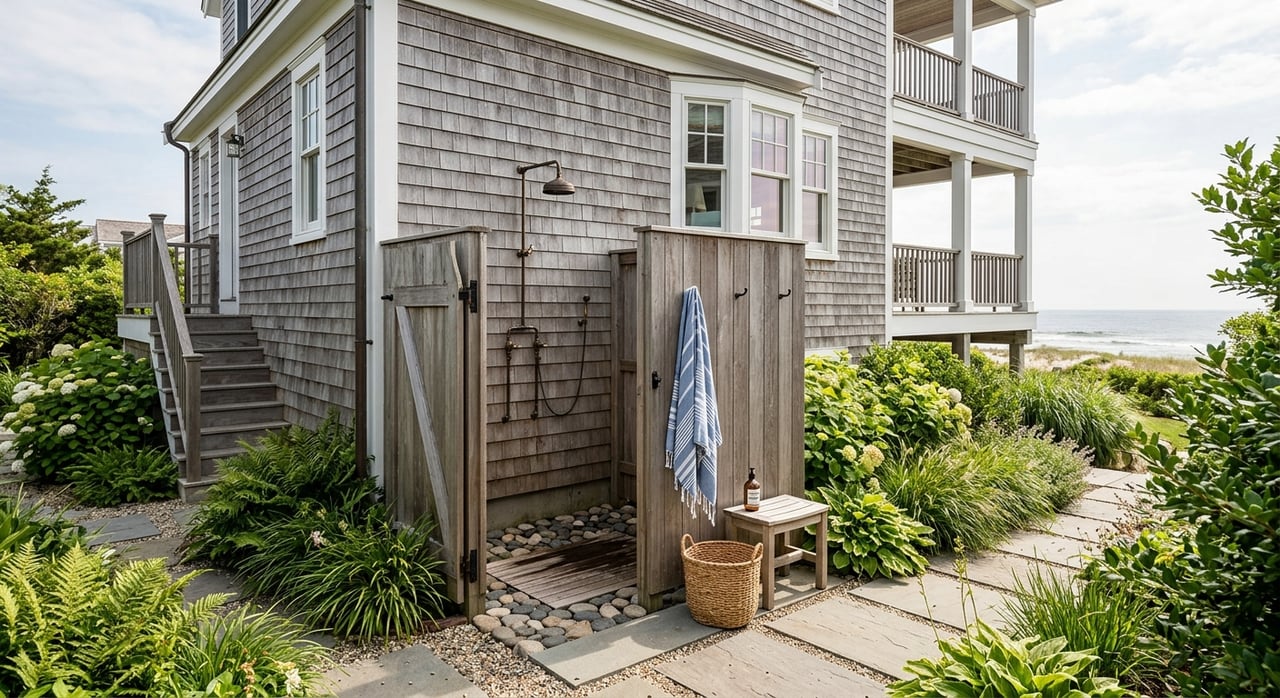
Dreaming about a second home at the Jersey Shore? In Stone Harbor, that dream usually looks less like a casual weekend crash pad and more like a true seasonal retreat with beach days, outdoor living, and a high-end coastal setting. If you are thinking about buying here, it helps to understand not just the appeal, but the day-to-day realities of ownership. This guide walks you through what it is really like to own a second home in Stone Harbor, from seasonal living patterns to upkeep, costs, and rental rules. Let’s dive in.
Stone Harbor Feels Like a Summer Retreat
Stone Harbor is built around warm-weather living. According to Cape May County’s Stone Harbor overview, the borough is known for protected beaches, restaurants, shopping, and long-standing vacation appeal, which shapes the overall ownership experience.
For many second-home owners, the calendar revolves around beach season. The borough requires beach tags for anyone age 12 and older from the Saturday of Memorial Day weekend through Labor Day Monday, and lifeguards are on duty during that same period. That creates a very clear peak season when the town feels most active and your home is likely to get the most use.
The climate supports that rhythm. Rutgers climate normals for Cape May show an average temperature of 35.9°F in January and 76.9°F in July, with 43.84 inches of annual precipitation. In simple terms, winters are milder than in many Northeast markets, but Stone Harbor still has a strong summer identity.
What that means for you
If you want a place that feels distinctly tied to the shore season, Stone Harbor delivers that experience. You can settle into a pattern of summer weekends, longer holiday stays, and time centered on the beach, dining, and local events.
At the same time, it is smart to go in with the right expectations. This is not a year-round commuter-style town with the same pace in every season. Your second home may feel busiest and most useful during the warm-weather months.
Most Second Homes Are Detached Shore Houses
If you picture a classic shore home with privacy, outdoor space, and room for family or guests, that image matches the local housing stock. Stone Harbor’s 2023 planning data show that 70.6% of housing units are single-family detached homes, while 17.2% are one-unit attached homes and only a small share falls into multifamily categories.
The same report shows just how strongly the market is oriented toward vacation use. In the borough’s 2020 Census-based inventory, 2,568 units were classified as seasonal or recreational use housing. That is a major clue that Stone Harbor functions first and foremost as a second-home market.
Why buyers are drawn to this mix
For many buyers, a detached home offers the kind of flexibility that makes second-home ownership worthwhile. You may have more room for outdoor entertaining, storage for beach gear, and the ability to create a property that feels personal rather than purely functional.
This also fits buyers who want a home that can serve more than one purpose. Depending on your goals, a detached house may work as a private retreat, a long-term family gathering place, or a property with seasonal rental potential.
Expect a Luxury-Level Price Point
Stone Harbor is not a casual-entry market. The borough’s 2025 housing planning report lists the median owner-occupied home value at $1,898,800, and 45.9% of owner-occupied units were valued at $2 million or more in 2023.
New Jersey Treasury’s 2025 residential statistics, cited in the same borough report, show an average assessment of $1,650,874, an average tax bill of $12,811, and an average sales price of $3,194,037.90 across 70 sales. That points to a relatively thin market where inventory tends to trade at a luxury level.
What ownership costs really look like
When you buy a second home here, the purchase price is only part of the equation. You also need to plan for property taxes, routine maintenance, seasonal preparation, and any waterfront or exterior infrastructure obligations tied to the property.
That does not mean Stone Harbor is the wrong fit. It means buyers tend to do best when they approach the decision with a full-picture budget and a clear sense of how often they plan to use the home.
Maintenance Is Part of the Lifestyle
Owning at the shore comes with responsibilities that may feel more hands-on than at an inland second home. In Stone Harbor, one example is water use. The borough has published water conservation guidance because summer demand can approach New Jersey Department of Environmental Protection allocation limits.
That guidance includes a street-based irrigation schedule. Properties north of 96th Street may water on Monday, Wednesday, and Friday, while properties south of 96th Street may water on Tuesday, Thursday, and Saturday, only from 6:00 p.m. to 9:00 a.m., with no watering on Sunday.
Landscaping and exterior care matter
If your ideal second home includes attractive outdoor spaces, this is important to know upfront. Landscaping in Stone Harbor is not just about appearance. It also involves following local water-use rules and maintaining the property responsibly during the busiest part of the season.
This is one reason design-minded buyers often appreciate planning ahead. Choosing a home with manageable exterior needs, or understanding what seasonal service support you may want, can make ownership smoother.
Waterfront Homes Need Extra Attention
If you are considering a bayfront or other low-lying property, flood planning should be part of your decision from the beginning. Stone Harbor’s bulkhead regulations require bulkheads to be maintained so they do not pose a danger, and new or reconstructed bulkheads must meet a minimum elevation of 8 feet NAVD 1988.
The code also states that existing nonconforming bulkheads must be brought into compliance by January 2050. In addition, Cape May County provides flood-guide maps and evacuation-route resources for the borough, reinforcing that flood resilience is a practical ownership issue in this market.
Why this matters before you buy
A waterfront setting can be beautiful and highly desirable, but it may also come with more oversight, maintenance, and long-term planning. If a property includes a bulkhead or sits in a more flood-sensitive location, you will want to understand those responsibilities early.
For second-home buyers, this is where local guidance matters. A property can be a strong fit for your lifestyle, but only if the upkeep and risk profile match your comfort level.
Rental Income Is Possible, but Regulated
Some second-home buyers hope to offset carrying costs by renting the property part of the year. In Stone Harbor, that can be part of the ownership strategy, but the borough has a structured framework for rental properties.
Under the borough’s rental regulations, rental properties and rental units must be registered, inspected, and licensed annually. New rentals must pass inspection before a license is issued, and municipal taxes, water and sewer charges, and other assessments must be current.
The same code also requires liability insurance, with minimum coverage of $300,000 for certain owner-occupied multifamily properties and $500,000 for other rental units. Occupancy is regulated based on sleeping-area standards, and the maximum number of occupants must be posted in the unit.
Understand the economics before you rent
Stone Harbor does allow rental use, but it is not a casual or unstructured process. If rental income is part of your plan, you will want to budget for licensing, inspections, insurance, and compliance from the start.
You should also be aware that Stone Harbor adopted a 3% hotel and motel room occupancy tax on certain transient accommodations subject to state sales tax. That is another factor to weigh when evaluating whether short-stay rental activity supports your overall ownership goals.
Stone Harbor Works Best for Intentional Buyers
Stone Harbor is a great match if you want a refined shore lifestyle, a strong seasonal rhythm, and a home that feels like a getaway the moment you arrive. It especially appeals to buyers who value beach access, privacy, and the classic feel of a detached coastal home.
It may be less ideal if you want a low-involvement property with minimal oversight or if you expect year-round activity to mirror peak summer energy. The ownership experience here is rewarding, but it works best when you are prepared for the real costs and responsibilities that come with a high-value shore property.
If you are thinking about buying a second home in Stone Harbor, working with a local expert can help you compare property types, evaluate ownership costs, and find a home that fits both your lifestyle and long-term plans. When you are ready to explore your options along the Southern Jersey Shore, connect with Diane Harrington for thoughtful, personalized guidance.
FAQs
Is Stone Harbor a year-round second-home destination?
- Stone Harbor has a clear summer peak, with beach tags and lifeguard coverage running from Memorial Day weekend through Labor Day, so many second-home owners use it most heavily during warm-weather months.
What type of second home is most common in Stone Harbor?
- Single-family detached homes are the most common housing type in Stone Harbor, making the market especially appealing if you want a classic shore house with more privacy and outdoor space.
What costs should you expect with a second home in Stone Harbor?
- In addition to the purchase price, you should plan for property taxes, exterior maintenance, landscaping compliance, possible flood- or bulkhead-related upkeep, and rental licensing costs if you plan to lease the home.
Can you rent out a second home in Stone Harbor?
- Yes, but rental properties must be registered, inspected, licensed annually, and kept in compliance with local insurance, occupancy, and municipal payment requirements.
What should waterfront second-home buyers know in Stone Harbor?
- Waterfront and low-lying properties may come with added responsibilities tied to flood planning and bulkhead maintenance, so it is important to understand those requirements before you buy.