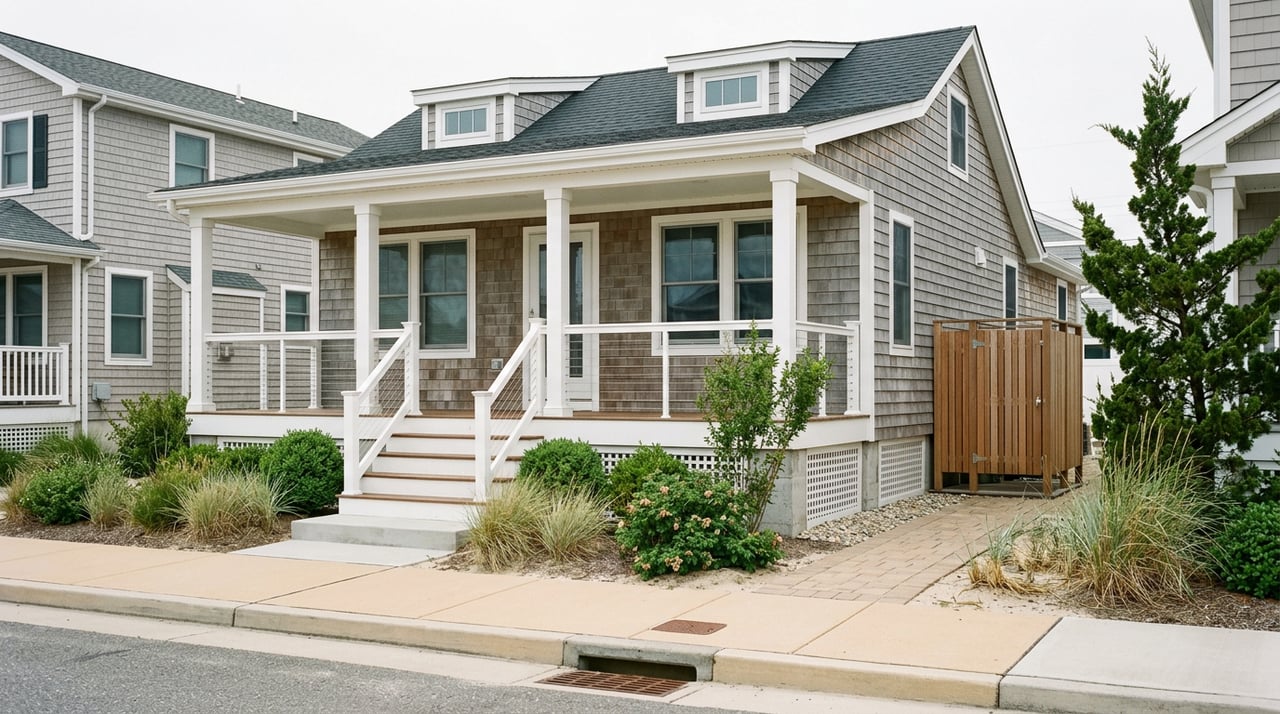
Thinking about selling your Cape May home but not sure when to list? Timing matters more at the shore than almost anywhere else. You want your home in front of the right buyers, with the right preparation, at the right moment in the local calendar. In this guide, you will learn how Cape May’s seasonality works, when to list based on your goals, what to watch in the market, and how to plan your prep timeline with confidence. Let’s dive in.
How Cape May seasonality works
Cape May is a classic shore market with a yearly rhythm shaped by summer tourism, second homes, and short‑term rentals. That rhythm drives when buyers shop, when listings spike, and how quickly homes go under contract.
Late winter: January to March
You see fewer buyers in person, but the ones who are looking are often motivated. Second‑home shoppers start planning for summer. Investors review rental histories and run numbers. If your home is prepped and priced well, you can benefit from lighter competition.
Spring surge: March to May
This is the main selling window. Listing activity climbs and weekend showings jump as out‑of‑town buyers return. Well‑presented, competitively priced homes often draw multiple offers and quicker timelines.
Early summer: June to July
Showings remain strong. Buyers who want immediate summer use can accelerate decisions. Many of the best spring listings are already under contract, so fresh inventory can stand out if positioned correctly.
Late summer to early fall: August to October
Demand tapers from the peak but stays solid for homes priced to the market. Some buyers target post‑peak opportunities, and others shop for off‑season living. You can still win here with savvy pricing and marketing.
Off‑season: November to February
Traffic is lowest, yet competition is also lighter. If you prefer a calmer pace, need time to complete work, or want to reach motivated buyers, the off‑season can work with the right strategy.
Best time to sell by your goal
Your ideal list month depends on what you want most: price, speed, or simplicity.
Maximize sale price
Aim to list in late winter or early spring so you are on the market during peak buyer activity heading into beach season. That is when you capture the broadest audience, including second‑home and investor demand. Strong presentation and pricing discipline are key to achieve top offers.
Minimize days on market
Homes listed from March through early June typically sell faster. Buyer traffic is high, and many shoppers are ready to act. If you miss March, early June can still deliver quick timelines with the right pricing.
Reduce competition or keep stress low
Consider late fall or winter. You will likely face fewer competing listings, which can help you stand out. Expect fewer showings and plan for more days on market. Adjust price and presentation to fit the season.
Who is buying when
Understanding who your buyer is helps you time your listing.
- Second‑home and vacation buyers: Often decide in late winter and spring to secure summer use. Many visit on weekends and prefer turn‑key condition.
- Short‑term rental investors: Review rental income, occupancy, and permits. They often decide in spring to get ready for summer bookings, but they also purchase off‑season if the numbers work.
- Year‑round locals and retirees: Less tied to summer. They often favor spring or fall closings for convenience.
- Relocation and cash buyers: Timing varies. They can move quickly any time of year.
Market signals to watch
Seasonal patterns shift year to year, so check these indicators for Cape May city and Cape May County before you pick a list date:
- Active inventory and months of supply
- New listings by month, especially the spring surge
- Median sale price and list‑to‑sale price ratio
- Median days on market by month
Review the latest 12 months of local MLS or association snapshots to confirm momentum before you go live.
Month‑by‑month game plan
Use this quick guide to align your timing with buyer behavior.
- January to February: Prep, repair, and stage. Early listings can catch motivated buyers with less competition.
- March to May: Primary window for price and speed. List in late February through April for maximum visibility.
- June to July: Strong traffic continues. Highlight immediate summer enjoyment and turn‑key condition.
- August to September: Demand softens. Use sharp pricing and fresh marketing to stand out.
- October to December: Quiet season with lighter competition. Ideal if you want a slower pace or need time for projects.
Backward timelines you can use
Planning backward from your target list date keeps you on track and less stressed.
Target list date: Early April
- 6 to 12 months prior: Plan major projects such as roof, kitchen updates, or flood mitigation. Pull permits early if needed.
- 3 to 6 months prior: Schedule contractors and complete larger repairs. Consult a local agent on comps, staging, and marketing.
- 6 to 8 weeks prior: Finish cosmetic work, deep clean, declutter, and stage. Consider a pre‑listing inspection to fix urgent items. Gather key documents.
- 2 to 3 weeks prior: Final staging and professional photography timed for bright spring light. Finalize pricing and marketing assets.
- List date: Early April to ride the spring surge.
Target list date: Mid‑June
- 6 to 12 months prior: Complete major work and prepare short‑term rental compliance if selling as an income property.
- 3 to 4 months prior: Tackle cosmetic upgrades and staging.
- 6 to 8 weeks prior: Capture photos, floor plans, and optional drone visuals. Lock pricing.
- List date: Mid‑June to reach summer buyers.
Target list date: October
- 6 to 12 months prior: Finish major work in spring or summer so you avoid listing during peak tourist months if that suits your plan.
- 2 to 3 months prior: Prep and stage with warm, inviting finishes.
- 2 to 4 weeks prior: Photograph in crisp autumn light and emphasize year‑round comfort.
- List date: October to engage fall buyers.
Selling a short‑term rental
If your Cape May home is also a rental, present it like a business. Investors want clean numbers and clear compliance.
- Provide rental history, occupancy calendars, and expense summaries.
- Share permits or registrations required for short‑term rentals, plus any renewal details.
- Organize service contracts and warranties for systems and appliances.
- If you plan to transfer future bookings, outline how and when that happens.
Listing before the busy season helps investors underwrite with current revenue and plan for summer.
Flood and coastal considerations
Many Cape May properties sit in FEMA‑designated flood zones. Buyers and lenders will want documentation. Preparing these items before you list reduces delays and builds confidence.
- Elevation certificate and flood zone status
- Current flood insurance policy information and quotes
- Records of mitigation or improvements such as flood vents or raised systems
- Any municipal or code compliance documentation tied to renovations
Having these ready can improve buyer comfort in every season and shorten underwriting timelines.
Seasonal pricing and marketing tweaks
A few smart adjustments make your home feel perfectly timed to the season.
- Spring: Use competitive pricing, fresh curb appeal, and bright photography that highlights proximity to beaches and outdoor living. If applicable, feature rental income history.
- Summer: Emphasize immediate occupancy and turn‑key readiness. Maintain impeccable exterior presentation during high‑traffic weeks.
- Fall and winter: Lean on warm interior staging, detailed virtual tours, and messaging that highlights year‑round comfort, energy efficiency, and the ease of off‑season living.
Quick pre‑listing checklist
Gather these documents and complete these tasks before you go live:
- Deed, recent property tax bills, and HOA documents if applicable
- Survey or plot plan, certificate of occupancy if available
- Flood zone status and elevation certificate
- Rental income statements, occupancy calendars, and permits if selling as a rental
- Receipts and permits for recent repairs or renovations
- Optional pre‑listing inspection report
- Utility and maintenance records, including septic or HVAC service
- Professional photos and a virtual tour
If you have questions about disclosures, short‑term rental rules, or flood requirements, speak with your attorney and local permitting offices before listing.
The bottom line for Cape May sellers
If your top goal is the highest price, list in late winter or early spring to capture the broadest buyer pool. For fastest timelines, the spring and early summer window is your best bet. If you prefer less competition or a calmer pace, lean into fall or winter with a pricing and staging plan tailored to the season.
You do not have to navigate this alone. With a design‑forward approach, premium Compass marketing, and hands‑on transaction management, you can bring your home to market with clarity and confidence.
Ready to find the right timing and plan for your sale? Connect with Diane Harrington to map your ideal list date, pricing, and preparation strategy.
FAQs
What is the best time to sell a home in Cape May for the highest price?
- Late winter to early spring typically delivers the broadest buyer pool and stronger offers, provided your home is priced and presented well.
How can I sell my Cape May home faster with fewer days on market?
- List in March through early June and pair competitive pricing with strong presentation and targeted marketing to reach peak buyer traffic.
Is winter a good time to sell a house in Cape May?
- Yes, if you prefer less competition and a slower pace. Expect fewer showings and plan pricing and staging accordingly.
When should I list a Cape May short‑term rental for investors?
- List before the busy season so investors can underwrite using recent revenue and plan for summer occupancy.
How does flood zone status affect my sale timing?
- Flood documentation can lengthen underwriting if gathered late. Prepare elevation certificates, insurance info, and mitigation records before you list.
What market data should I check before picking a list date in Cape May?
- Review active inventory, new listings, median sale price, days on market, and months of supply for the last 12 months in Cape May city or county.