Trying to choose between a condo, townhome, or single‑family home in Ventnor can feel like comparing apples, oranges, and beach chairs. Each option offers a different mix of maintenance, monthly fees, insurance needs, and proximity to the sand. If you are buying from out of the area, the coastal setting adds a few extra layers to think about, like flood risk, parking, and short‑term rental rules. In this guide, you will learn how each property type works in Ventnor, what it costs to own, and the key questions to ask before you make an offer. Let’s dive in.
Ventnor basics that shape your choice
Ventnor City sits on a barrier island just southwest of Atlantic City, so water, wind, and salt air influence property style and upkeep. You will find older oceanfront and near‑beach condo buildings, attached townhomes in select blocks, and small‑lot single‑family homes, some elevated for flood resilience. Because Ventnor is a shore community, inventory and demand often spike in spring and summer.
Municipal rules matter here. Beach badges, parking permits, building permits, and short‑term rental regulations are set locally. Check the Ventnor City official website for current beach, parking, and permitting information, and the Atlantic County site for county services and tax contacts. For flood risk due diligence, use the FEMA Flood Map Service Center and consider long‑term projections from the NOAA Sea Level Rise Viewer.
What you own in each option
Condos in Ventnor: how they work
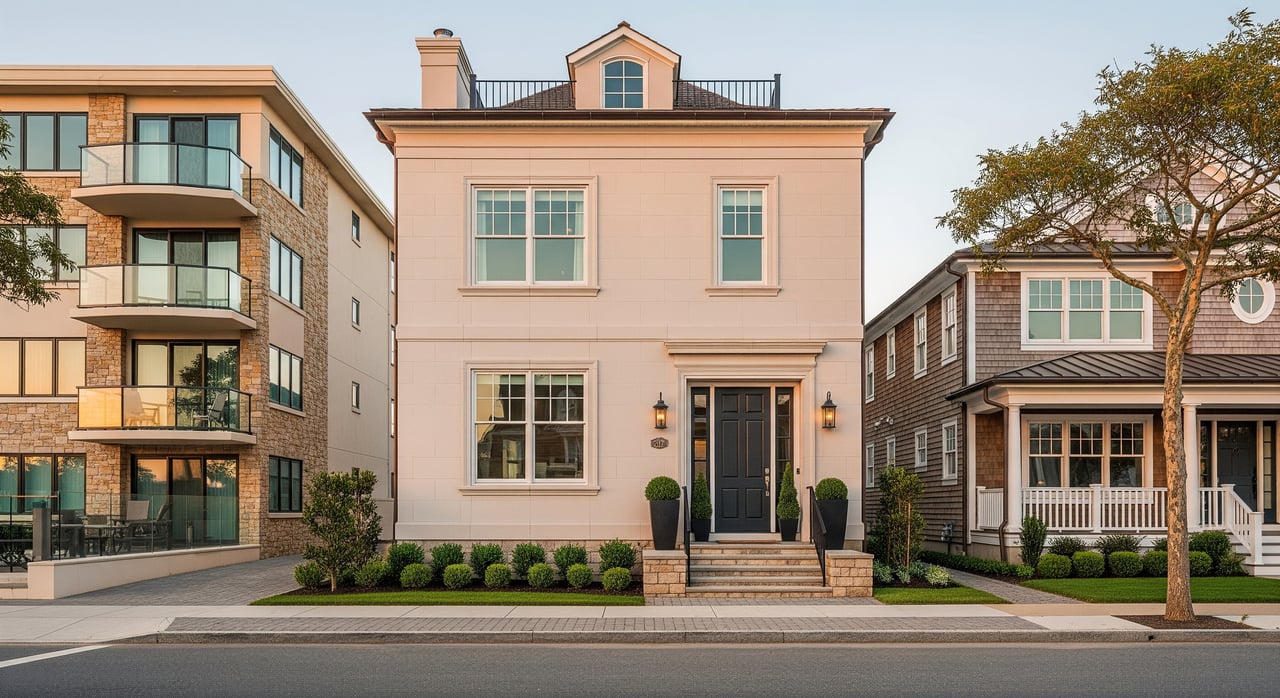
Many Ventnor condos are in multi‑unit buildings near the beach and Ventnor Avenue, including some converted older hotels. You own your interior unit while the association owns and maintains common elements like the roof, exterior, halls, elevators, and landscaping.
Pros:
- Lower personal maintenance since the association handles exterior items.
- Possible amenities such as a pool, gym, lobby security, or in‑building parking.
- A good lock‑and‑leave option for seasonal or second‑home use.
Cons:
- Monthly condo fees, which can be higher in oceanfront or amenity‑rich buildings.
- Less private outdoor space and limited control over exterior changes.
- Potential for special assessments in older coastal buildings.
Fee drivers in Ventnor often include building insurance, elevator servicing, reserves for storm‑related repairs, and exterior system upkeep. Condos fit buyers who want beach proximity with minimal yard work and clear maintenance boundaries.
Townhomes and rowhouses: a middle ground
Ventnor has attached townhomes and rowhouses in select areas. Many are fee simple, meaning you own the unit and the land, but some communities use an HOA to manage shared drives, exterior upkeep, or landscaping. Always verify the ownership form and the HOA’s responsibilities.
Pros:
- Private entry and often a small yard or porch.
- Lower maintenance than a detached home if the HOA covers exteriors or common areas.
- Often lower HOA fees than high‑amenity condo towers.
Cons:
- Attached walls can mean some noise transfer.
- Exterior changes may require HOA approval.
- Parking can be limited depending on the block and age of the development.
Townhomes work well if you want more autonomy and a bit of outdoor space without taking on the full burden of a standalone house.
Single‑family homes: maximum control
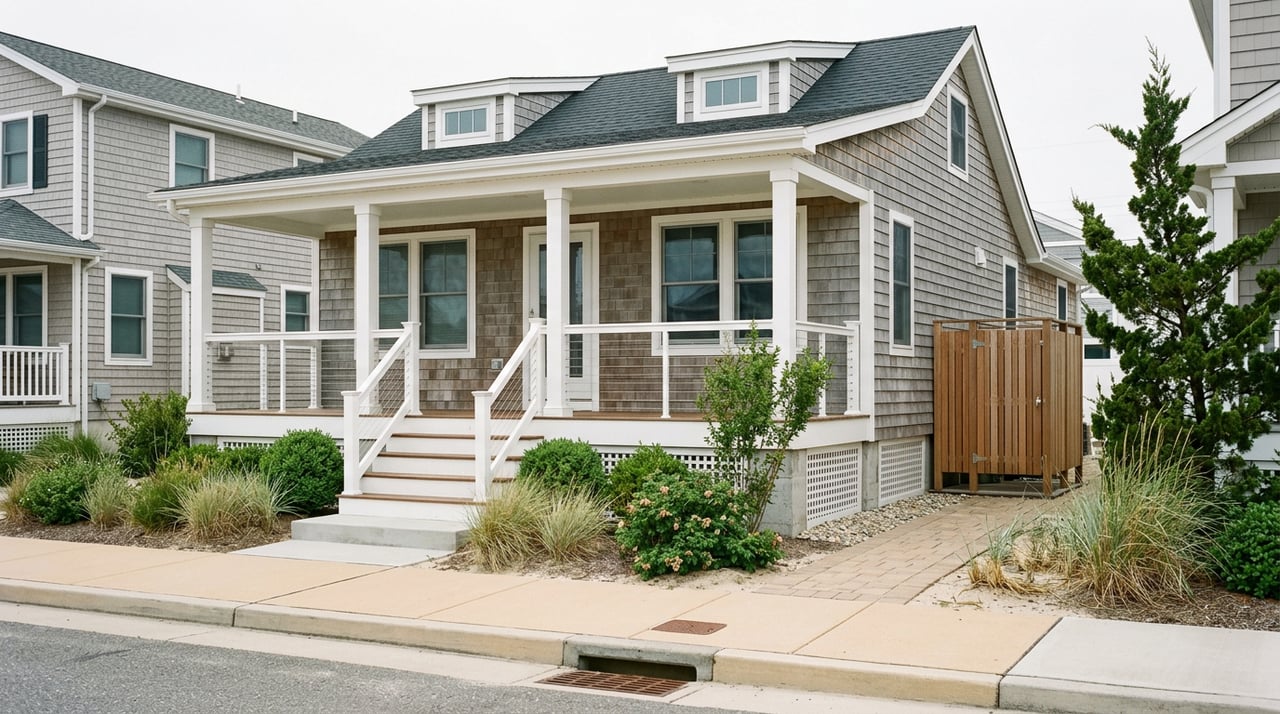
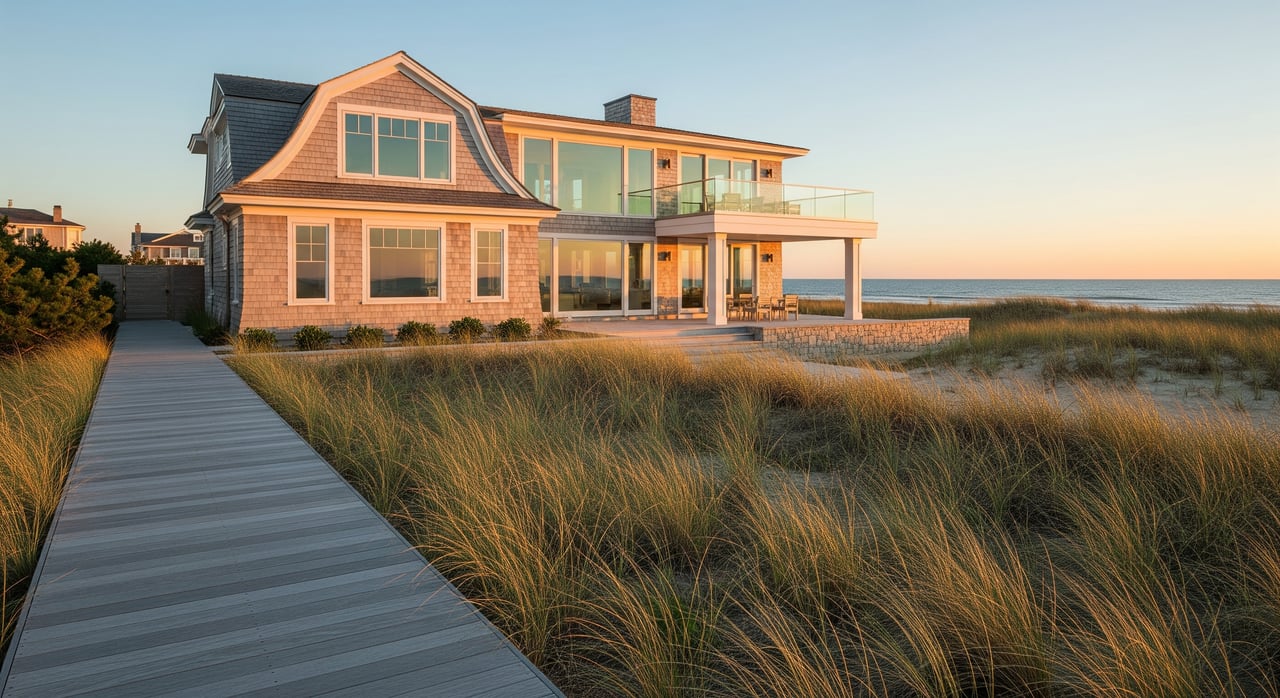
Detached homes in Ventnor include bungalows, Cape Cods, and two‑story cottages on compact lots. Many have been elevated or built on pilings due to flood considerations. You own and maintain the entire property.
Pros:
- Maximum privacy and control over the home and yard.
- Potential for off‑street parking and storage.
- Flexibility to renovate with proper permits.
Cons:
- All maintenance and capital repairs are your responsibility.
- You bear the full cost of homeowner’s and flood insurance if required.
- Coastal exposure can increase long‑term upkeep costs.
Single‑family homes fit year‑round residents and anyone who wants outdoor space, storage, and full control of improvements.
Cost factors to budget
HOA and condo fees
Expect fees to vary widely. Smaller, low‑amenity buildings inland often charge less, while oceanfront or amenity‑heavy properties can charge more because insurance and maintenance costs are higher. When evaluating a condo or HOA community, ask for:
- Current monthly fee and a line‑item list of what it covers, including the master insurance policy vs owner obligations.
- The last 3 years of budgets and financial statements, plus a reserve study if available.
- History of special assessments and upcoming capital projects such as roof, elevator, or coastal reinforcement work.
- Any litigation or major insurance claims.
Property taxes
New Jersey property taxes include municipal, county, and school components. Ventnor is in Atlantic County, and the school portion is often significant. Review the most recent tax bill for any property you are considering and ask about pending assessments. For state guidance, consult the NJ Division of Taxation.
Insurance and flood considerations
- Condos: You typically carry an HO‑6 policy for interiors and contents while the association insures the building. Confirm exactly where master policy coverage stops.
- Townhomes: Coverage varies by HOA. Some require owners to insure the exterior shell, others cover exteriors. Clarify who covers foundations, roofs, and siding.
- Single‑family: You will need a standard homeowner’s policy (HO‑3 or HO‑5), plus flood if required.
Ventnor includes areas in FEMA Special Flood Hazard Areas. If a property with a federally regulated mortgage is in an SFHA, flood insurance is mandatory. Even outside mapped zones, many buyers choose to carry flood coverage. Start by checking the address in the FEMA Flood Map Service Center. Talk with a coastal‑savvy insurance broker about wind or hurricane deductibles and how elevation, venting, and building materials affect premiums. For long‑term planning, review sea‑level projections using the NOAA Sea Level Rise Viewer.
Utilities and recurring costs
Older shore homes can have aging systems that affect energy use. Ask about recent HVAC, electrical, and plumbing updates, and request utility histories where available. For trash, sewer, and water, review current Ventnor City billing practices and schedules on the Ventnor City site.
Coastal rules, rentals, and access
Permits and building code
If you plan renovations or reconstruction, you will work through municipal permitting and, in some cases, additional coastal rules. Start with the building department on the Ventnor City official website for permit requirements and inspections. For statewide guidance on codes and common‑interest communities, consult the New Jersey Department of Community Affairs. Statutory frameworks for condominiums are available through the New Jersey Legislature.
Rental and short‑term rental rules
Shore towns often regulate short‑term rentals with registration, minimum stays, or caps. If you plan to rent seasonally or year‑round, verify HOA rules first since many associations restrict rentals. Then confirm any city licensing, occupancy, and parking rules on the Ventnor City site.
Parking, storage, and beach badges
Parking pressure increases in summer. Confirm whether a property includes deeded or assigned parking and check guest and street parking rules for peak season on the Ventnor City site. For beach access, identify the nearest public access points and boardwalk ramps. Ventnor operates a beach badge program; verify current policies, including any resident discounts and pickup procedures, through the city’s beach pages.
Quick comparison: lifestyle and maintenance
- Choose a condo if you want low personal maintenance, possible amenities, and a lock‑and‑leave setup near the beach. Budget for monthly fees and review the building’s reserves and assessment history.
- Choose a townhome if you prefer a private entry, a small outdoor area, and moderate maintenance with some HOA support. Confirm whether the HOA or the owner is responsible for exteriors.
- Choose a single‑family home if you value privacy, yard space, and control over improvements. Plan for full maintenance, homeowner’s insurance, and flood coverage if required.
Due diligence checklist for out‑of‑area buyers
Before you make an offer:
- Confirm the property type and ownership form. For condos and townhomes, request the master deed, bylaws, rules, 3 years of meeting minutes, budget, reserve study, and written confirmation of any pending assessments.
- Ask for insurance details and claims history. Get the association’s master policy declarations page and any past storm claims.
- Check flood status and costs. Use the FEMA map tool for the address, ask whether the seller carried flood insurance, and obtain a quote early.
- Verify condition and coastal resilience. Request any elevation certificate, permit history for renovations, and evidence of code compliance for elevation or pilings.
- Confirm parking and access. Verify assigned spaces, municipal parking rules, and proximity to public beach access.
- Review association health. Look for adequate reserves, recent capital projects, and any litigation.
- Check rental rules. Verify association rental policies and the city’s short‑term rental requirements on the Ventnor City site.
During inspections and contract period:
- Hire inspectors experienced with coastal properties to evaluate structure, pilings, roofs, and salt‑air corrosion.
- Consider a structural evaluation and a sewer scope, especially in older buildings.
- Review the master insurance policy with a coastal insurance broker to find coverage gaps.
- If in a flood zone, confirm the premium and lender requirements early in the process.
Financing notes
Lenders require flood insurance for properties in FEMA Special Flood Hazard Areas. For condos, confirm that the building meets your lender’s project eligibility rules and that the master policy and reserves satisfy underwriting. If you plan to rent the property, verify whether the association and lender permit rentals and whether any rental caps affect your plans.
Which Ventnor home fits you?
If your priority is beach proximity with minimal upkeep, a condo near the boardwalk often delivers the best lock‑and‑leave convenience. If you want a little yard for pets or grilling without the full burden of a detached house, a townhome can be a smart middle path. If you need storage, privacy, or plan to renovate over time, a single‑family home gives you the most flexibility.
Inventory for certain property types can be limited, especially detached homes close to the beach. Expect seasonal listing cycles, with more options appearing in spring and summer. The right fit comes down to your maintenance tolerance, budget for fees and insurance, and how you plan to use the home year‑round or seasonally.
Ready to compare real listings, fee structures, and flood maps side by side? Connect with Diane Harrington to pinpoint the best Ventnor option for your lifestyle and budget.
FAQs
What are the key differences between condos, townhomes, and single‑family homes in Ventnor?
- Condos offer interior unit ownership with shared building maintenance and fees, townhomes often blend fee simple ownership with an HOA for shared elements, and single‑family homes give you full control and full maintenance responsibility.
How do HOA or condo fees typically work in Ventnor?
- Fees usually cover building insurance, exterior maintenance, common utilities, management, and reserves; amounts vary by amenities and location, so review budgets, reserves, and assessment history before you buy.
Do I need flood insurance to buy in Ventnor?
- If the property is in a FEMA Special Flood Hazard Area and you have a federally regulated mortgage, flood insurance is required; check the address in the FEMA Flood Map Service Center and consider coverage even outside mapped zones.
Can I rent my Ventnor property short‑term?
- Many associations restrict rentals and the city may require registration or set rules; confirm HOA policies and review current regulations on the Ventnor City site before you buy.
How do beach badges and public access work in Ventnor?
- Ventnor operates public beaches with badge requirements; verify current badge policies and the nearest public access points through the Ventnor City official website.
Is summer parking difficult in Ventnor?
- Parking demand increases in peak season; confirm whether your property includes assigned or off‑street parking and review street and guest parking rules on the Ventnor City site.
Are Ventnor townhomes fee simple or condo ownership?
- Both exist; review the master deed and HOA documents to confirm whether the townhome is fee simple with an HOA or part of a condominium association.
What should out‑of‑area buyers verify before making an offer?
- Gather HOA documents and budgets, insurance details, flood zone status and quotes, permit and elevation records, parking arrangements, rental rules, and any pending assessments or litigation.