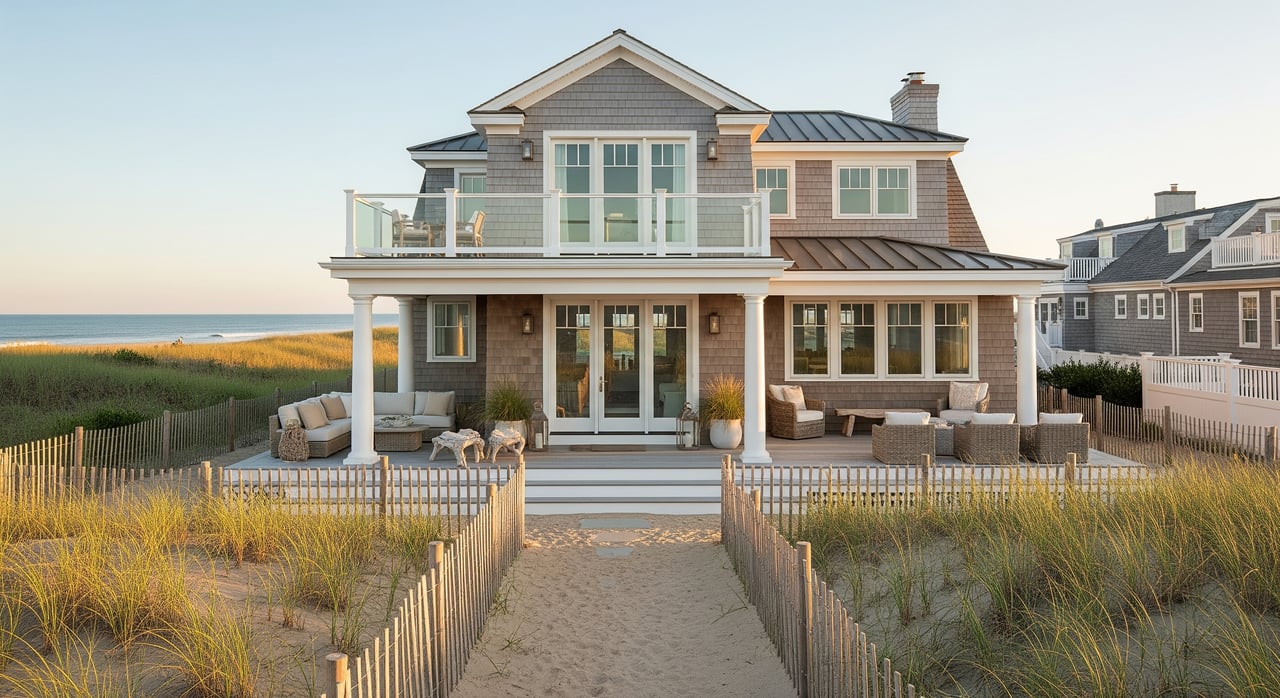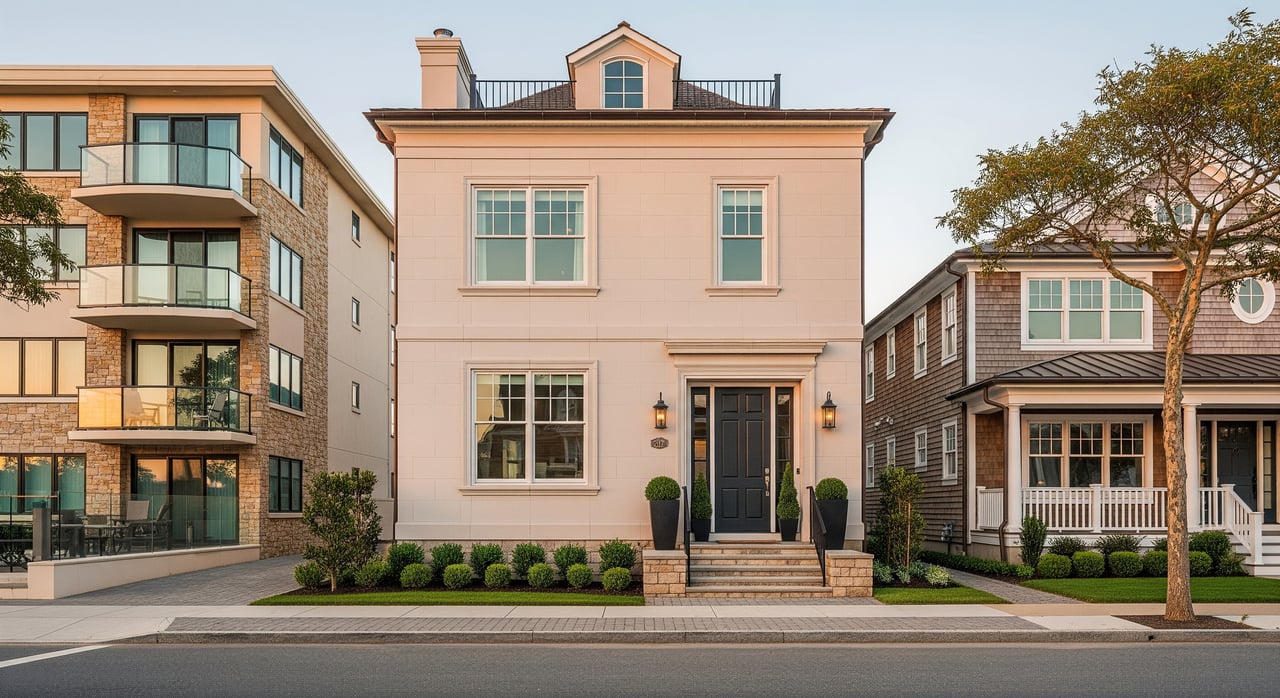
What really moves prices at the shore? In Ocean City, small details like a deeded parking spot or a few extra steps to the beach can shift value in a big way. If you’re weighing a sale or a purchase, it helps to see your home the way the market does.
In this guide, you’ll learn the local factors that drive value, how seasonality shapes timing and pricing, the rules and risks to check, and practical steps to make smarter decisions. Let’s dive in.
Key drivers of value in Ocean City
Beach proximity and orientation
Being on the beach block, oceanfront, bayfront, or inland changes price expectations fast. Beach-block and true oceanfront properties command premiums for direct access, views, and boardwalk proximity. Bayside homes attract buyers who value docks, calmer waters, larger lots, and sunsets. Distance to the beach or boardwalk is one of the most quantifiable drivers of price per square foot in shore communities.
Parking and vehicle access
On-site or deeded parking is a major value lever. Ocean City gets dense in summer and street parking is limited, so driveways, garages, or deeded spaces help homes sell faster and for more. Parking also improves rental performance and convenience for owners who visit in peak season.
Outdoor living and amenities
Usable outdoor space expands how you live at the shore. Decks, balconies, roof terraces, and yards add appeal and value, especially when they capture ocean or bay views. Practical features like outdoor showers, storage for beach gear, and durable exterior materials matter to buyers and renters.
Condition, layout, and systems
Updated kitchens and baths, open layouts, and recent mechanical upgrades (HVAC, windows, hot water, electrical panels) support stronger pricing and reduce time on market. Elevated construction and visible flood-mitigation work often trade at a premium because they can lower perceived risk. Signs of water intrusion or structural issues can pull values down.
Short-term rental potential
In neighborhoods where seasonal rentals are common, income potential can be a major part of value. Key revenue drivers include proximity to the beach/boardwalk, bedroom and bath count, sleeping capacity, parking, and interior condition. Regulations, permitting, and HOA rules determine what is allowed, so assumptions should be verified before you price or buy.
Lot size, orientation, and zoning
Larger parcels and sites that allow expansion or redevelopment can draw extra demand. Zoning and floor-area rules influence what you can build or add, which affects both current value and long-term upside.
Flood risk, elevation, and insurance
Flood zone designation and elevation impact insurance requirements, premium costs, and lender underwriting. Properties above base flood elevation or with mitigation measures (like raised utilities or bulkheads) can be more attractive to buyers. You can review flood zones and obtain elevation information through the FEMA Flood Map Service Center.
Access to boardwalk and amenities
Walkability to the boardwalk, restaurants, shops, and services helps desirability. For some buyers, the energy near the boardwalk is part of the appeal. Others prefer quiet bayside streets. Value reflects how well the property fits the buyer’s lifestyle.
Property type
Single-family homes often attract premium buyers who want private outdoor space and year-round comfort. Condos and multi-family buildings appeal to investors and vacationers. HOA fees, rules, and insurance structures should be evaluated for their effect on total ownership cost and flexibility.
Seasonality and timing your move
When demand peaks
Ocean City’s market is seasonal. Buyer interest and rental demand typically peak from late spring through summer. Many sellers list in spring to capture summer buyers and rental-minded purchasers. Off-season buyers may find more negotiating room, but homes can take longer to move.
Pricing and days on market
Shore markets often see prices firm up as spring approaches and days on market shorten during peak season, then lengthen in winter. For current figures like median price and inventory, rely on the local MLS and New Jersey housing reports, and always note the month and year of the data. Because conditions change quickly, comps from the last 3 to 6 months are usually most relevant.
Rental cash flow vs. long-term ownership
Summer is the income engine. Off-season occupancy and rates usually drop, so annual cash flow depends on peak-season weeks, pricing, occupancy, management fees, cleaning, utilities, and insurance. Consider tourism trends and competing rentals when estimating returns.
Broader economic conditions
Interest rates, mortgage availability, and seasonal employment patterns influence affordability and investor appetite. Insurance market shifts can also affect carrying costs and underwriting, so keep a close eye on evolving premium trends and options.
Rules, insurance, and coastal hazards
Short-term rental rules and licensing
Many Jersey shore towns regulate short-term rentals. Requirements may include municipal registration, occupancy limits, inspections, and local tax collection. Check the latest details with the Ocean City municipal government before you buy or list with rental income assumptions.
Floodplain regulations and permits
Flood maps and coastal rules inform what you can build or renovate. FEMA flood zones, local elevation requirements, and coastal permits can impact project costs and appraisals. For environmental and permitting guidance, review the NJDEP coastal permitting resources.
Insurance market considerations
Coastal homes often carry higher homeowners and flood insurance premiums. Availability and pricing vary based on elevation, flood zone, and claims history. Some owners explore private flood insurance in addition to federal NFIP options. Get quotes early so you can model accurate monthly costs.
Property taxes and fees
Cape May County property taxes and municipal assessments affect carrying costs. Review property tax history and ask about any planned assessments linked to coastal projects or infrastructure.
Presentation, comps, and appraisals
Photography and seasonal staging
Strong visuals are essential at the shore. Highlight views, outdoor living, proximity to beach or boardwalk, and parking. Use floor plans and virtual tours to help remote buyers understand the layout. If you have great summer photos, they can help convey lifestyle while you still disclose relevant off-season conditions.
Choosing the right comps
Ocean City pricing turns on location and features that matter most at the shore. Adjust for:
- Oceanfront vs. bayside vs. inland
- Blocks or minutes to the beach and boardwalk
- Parking type and count
- Outdoor amenities and view quality
- Bedrooms, baths, and sleeping capacity
- Elevation, flood-mitigation, and major system updates
Use recent comps, ideally from the past 3 to 6 months, to reflect seasonal shifts and current buyer behavior.
Appraisal nuances for coastal homes
Appraisers balance replacement cost, comparable sales, and income approach for investment properties. Unique oceanfront homes can be hard to match, which leads to wider adjustments. Pre-listing inspections, documentation of upgrades, and clear rental histories help support value.
Quick checklists
Buyer checklist
- Verify flood zone and elevation; get elevation certificates if available through the FEMA Flood Map Service Center.
- Obtain local homeowner and flood insurance quotes before you write an offer.
- Confirm parking rights, deeded spaces, and municipal parking rules.
- Ask about short-term rental licensing, occupancy taxes, and inspection requirements with the Ocean City municipal government.
- Inspect for salt-corrosion, moisture, HVAC capacity, and roof condition.
- Review property tax history and any planned assessments.
- For condos or HOAs: read bylaws, financials, master insurance, and rental policies.
Seller checklist
- Stage and photograph outdoor spaces and views in good light; include floor plans and virtual tours when possible.
- Document upgrades like elevation work, HVAC, windows, and kitchen or bath updates.
- Provide clear info on parking, deeded rights, and rental history if applicable.
- Make an elevation certificate and recent inspection reports available.
- Time your launch with the season in mind to reach the largest buyer pool.
Local data sources worth consulting
- FEMA Flood Map Service Center for flood zones and elevation data.
- NJDEP coastal permitting resources for rules affecting shoreline work and renovations.
- NOAA Sea Level Rise Viewer for coastal risk context.
- Ocean City municipal government for short-term rental registration, licensing, and inspections.
- Local MLS and New Jersey housing reports for current pricing, inventory, and days on market.
Final thoughts
Pricing power in Ocean City comes from the details: steps to the sand, parking, outdoor living, updated systems, and a clear story about flood risk, insurance, and rental potential. If you plan ahead and validate the right data, you can buy with confidence or list with precision.
If you want a design-forward strategy, thoughtful prep, and a clear plan for timing and pricing, connect with Diane Harrington. Schedule Your Free Consultation and move forward with clarity.
FAQs
How much more is beach-block worth in Ocean City?
- Premiums vary by exact location, views, condition, and features. Use recent comps from the last 3 to 6 months and adjust for distance to the beach, parking, outdoor space, and upgrades.
Are short-term rentals allowed in Ocean City, NJ?
- Rules can change. Confirm registration, inspection, and occupancy requirements with the Ocean City municipal government before relying on rental income in your plan.
How big a role does flood insurance play in affordability?
- A significant one. Flood zone, elevation, and mitigation measures drive premiums and lender rules. Get quotes early and review flood maps through the FEMA Flood Map Service Center.
Does being close to the boardwalk always raise price?
- Generally yes, due to access and lifestyle appeal. Some buyers value quiet streets more, so proximity can bring higher demand along with more activity and traffic.
Can I expect strong rental income all year?
- No. Peak revenue is seasonal in summer. Annual cash flow depends on peak-season pricing, occupancy, management and cleaning costs, and local regulations.